Katy Elite Concrete Contractor gets called out to sunken driveways, patios and walkways across Katy every week, and a good share of those homeowners are expecting to hear that the slab has to come out.
Often it does not. Leveling a settled slab costs a fraction of replacing it and takes hours instead of days. But it is not always the right answer, and a contractor who levels a slab that should be replaced has sold you a short reprieve.
Here is how to tell the difference.
What leveling actually does
A settled slab is usually intact — the concrete is fine, the soil under it moved. Leveling drills small ports through the slab, injects material underneath that fills the void and lifts the slab back to grade, then patches the ports.
Two common materials are used. A cement-based slurry is heavier and less expensive. Polyurethane foam is far lighter, expands in place, cures in minutes and adds almost no weight to soil that has already proven it cannot carry load. On Katy’s clay, the lighter option is often the better engineering choice.
What it is good at
Closing a trip hazard where one slab sits above the next. Fixing a walkway that has tilted toward the house. Lifting a settled section of driveway or patio. Restoring drainage slope so water runs away instead of pooling.
What it does not do
It does not repair cracked or crumbling concrete. It does not fix a slab that was too thin or unreinforced to begin with. It does not stop the soil from moving again, though correcting the drainage that caused the void usually does.
The test: can this slab be lifted?
Leveling is the right call when all of these are true:
- The slab is in one or a few large sound pieces.
- The surface is not spalling, flaking or crumbling.
- Cracks, if any, are tight and the concrete either side is solid.
- The slab was properly thick and reinforced when built.
- The problem is height and slope, not the concrete itself.
When replacement is the honest answer
The slab is broken into many pieces
Lifting a slab that has fractured into five sections just produces five sections at slightly different heights.
Surface failure
Spalling, flaking, exposed aggregate from wear, or concrete you can crumble by hand. The slab is deteriorating from the surface down and lifting it does nothing for that.
It was built wrong
A three-inch driveway with no reinforcement will keep failing. Lifting it postpones the inevitable.
You want a different layout or finish
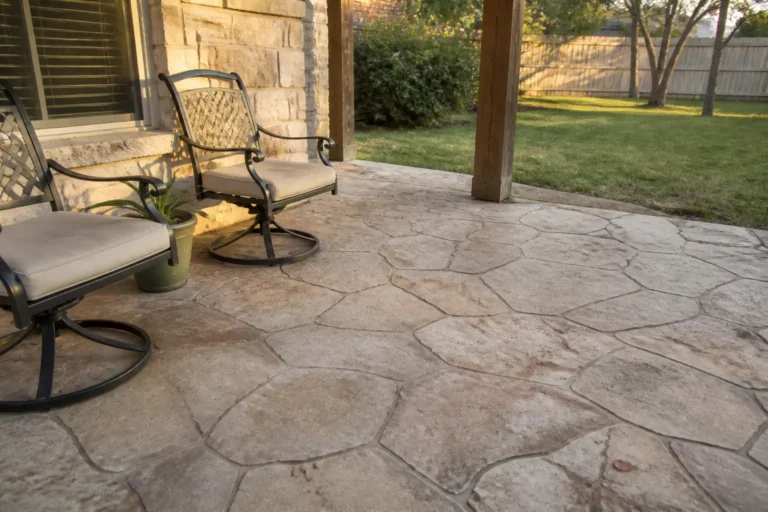
If the patio is the wrong size or you want stamped instead of broom finish, you are replacing regardless.
Repeated failure
A slab that has been lifted before and settled again is telling you the underlying cause was never addressed — usually drainage, sometimes a deeper soil problem.
The middle option people forget
If the slab is structurally sound but the surface looks tired, resurfacing puts a new wearing surface over the existing concrete. Combined with leveling, it produces something close to a new slab at well under replacement cost.
That combination — lift it, then resurface it — is frequently the best value on an older but sound driveway.
Cost and timeline compared
Leveling: a fraction of replacement cost. Usually a few hours on site. Usable almost immediately with foam, within a day with slurry.
Resurfacing: more than leveling, well under replacement. A day or two, plus cure time.
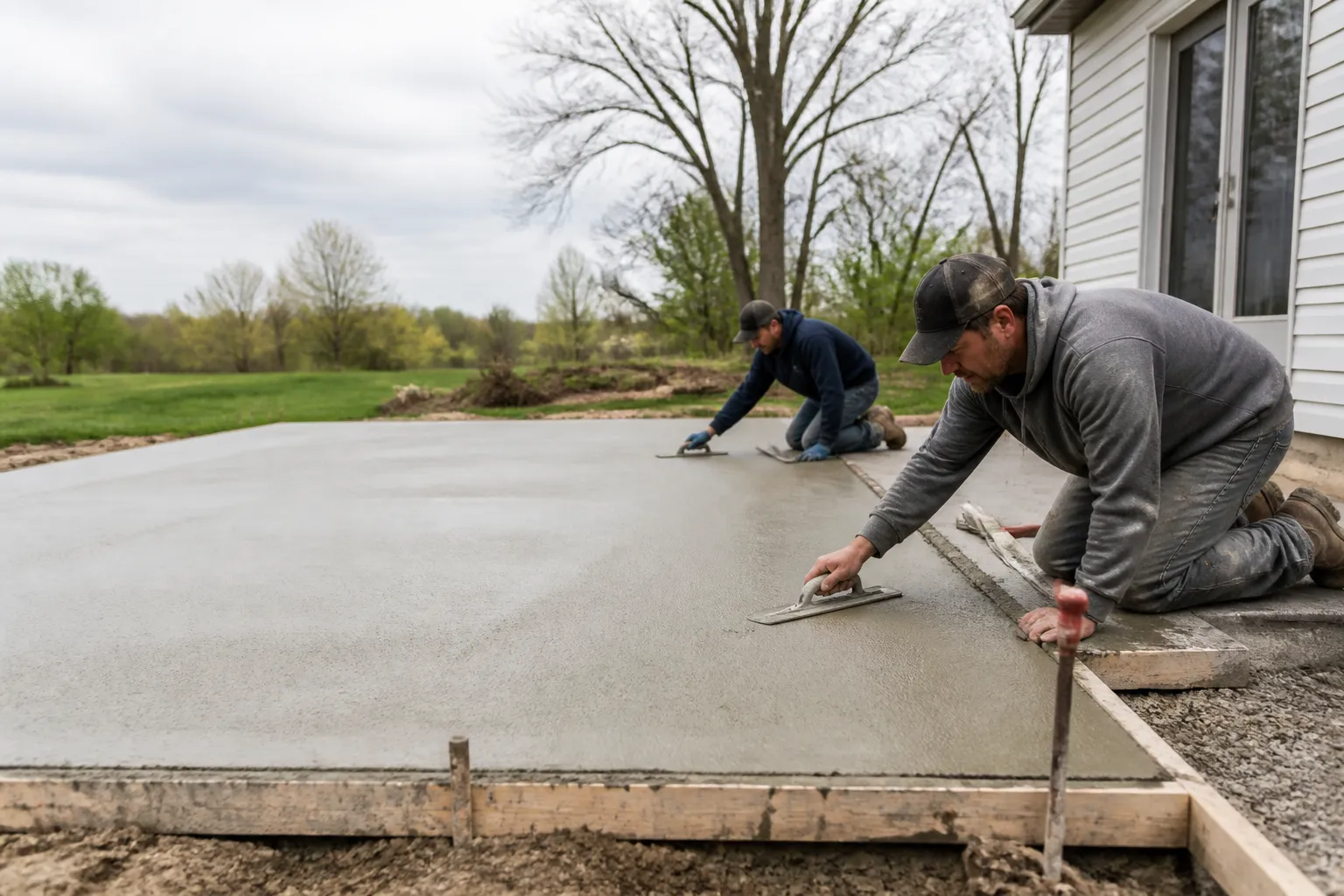
Replacement: the full cost of a new slab plus tear-out and disposal. Several days on site and up to 28 days to full strength.
The gap is wide enough that it is always worth having someone assess whether leveling will work before budgeting for replacement.
Fix the cause, not just the symptom
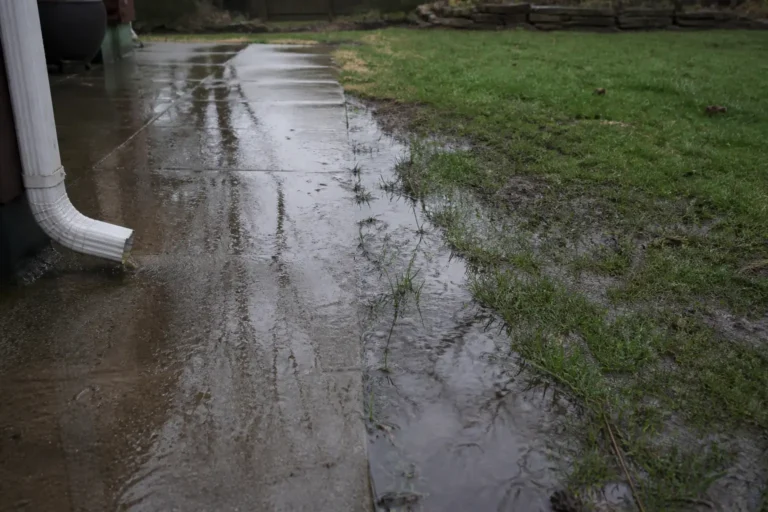
Slabs settle in Katy because water went somewhere it should not have — a downspout emptying at the slab edge, grading that falls toward the house, an irrigation leak, or a plumbing leak under the slab. Lifting the concrete without correcting that buys a few years at most.
Before any lift, we look at where the water goes. Sometimes the real fix is a downspout extension and some regrading, and the concrete work is the smaller part of the job.
Frequently asked questions
How long does leveling last?
If the drainage cause is corrected, many years. If it is not, expect it to settle again.
Will I see the injection holes?
They are small and patched. On a broom finish they are barely noticeable; on a decorative surface they are more visible, which is worth discussing beforehand.
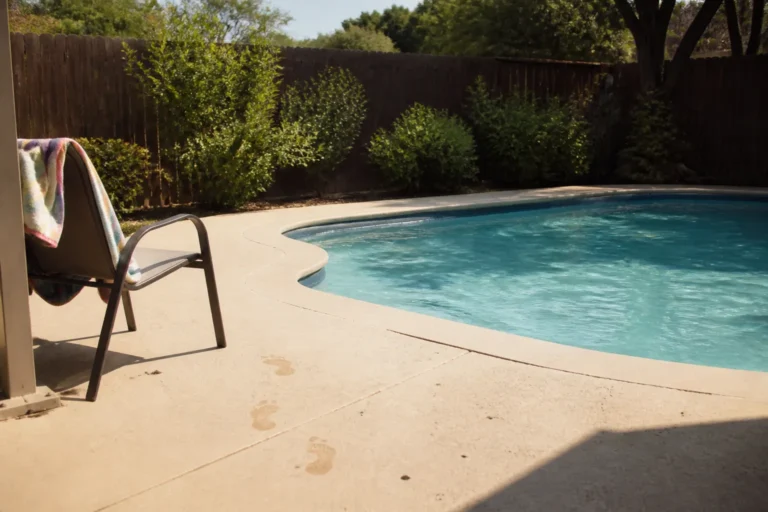
Can a pool deck be levelled?
Yes, and it is common. Settled pool decks are one of the most frequent leveling jobs in Katy.
Can I level a slab myself?
Self-levelling compounds work for small indoor floor dips. Lifting an exterior slab needs equipment and judgement about how much pressure the soil will take.
Find out which one you need
We will tell you honestly if a slab can be lifted, including when the cheaper option is the right one. Call (281) 201-9322.